
The Nubian Museum in Aswan opened in 1997 following UNESCO’s campaign to save Nubian monuments. Designed by Dr. Mahmoud Al-Hakim with interiors by Pedro Ramirez Vazquez, the building reflects traditional Nubian style—built from sandstone and pink granite. In 2001, it received the Agha Khan Prize for Islamic Architecture.
What you’ll see inside
Spread across three floors, the museum holds thousands of artifacts that tell the story of Nubia’s archaeology, culture, and environment.
- Archaeological collections: Objects that trace Nubia’s long history
- Mummified remains and heritage exhibits
- Local crafts and cultural pieces
- Lifelike dioramas: Displays that bring Nubian traditions to life
More than galleries
- Lecture hall, library, and theatre
- An amphitheatre for folklore shows
Garden open-air museum
Beyond the indoor exhibits, the museum’s garden doubles as an open-air museum featuring:
- A Fatimid cemetery
- Prehistoric rock carvings
- Water channels symbolizing the Nile
- A reconstructed Nubian house offering a vivid glimpse into daily life in Nubia
The Nubian Museum is a must-visit cultural stop in Aswan and an excellent addition to any Nile itinerary—especially for travelers interested in heritage and living traditions.
-Museum-beside-Kom-Ombo-Temple-near-Aswan.png)
Museum in Kom Ombo
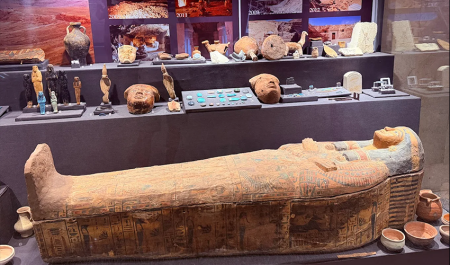
Luxor Museum

Mummification Museum
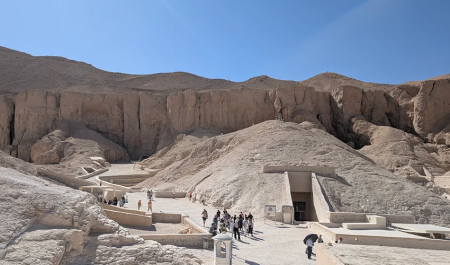
Valley of the Kings

Temple of Hatshepsut
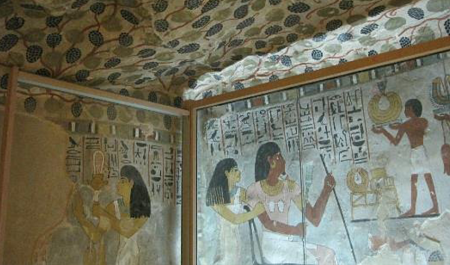
Tombs of the Nobles (Luxor)

Ramesseum Temple
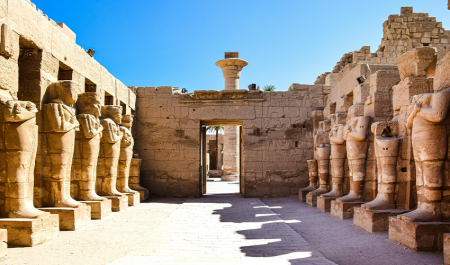
Medinet Habu (Temple of Ramses III)
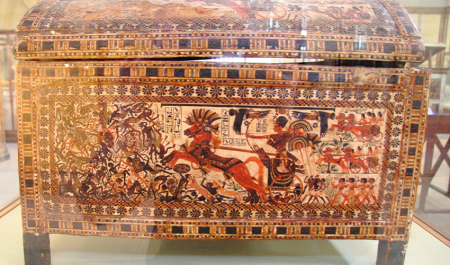
Tomb of Tutankhamun
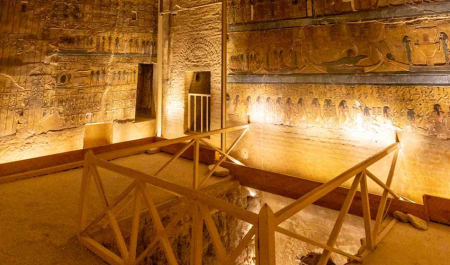
Tomb of Seti I
-in-the-Valley-of-the-Kings.png)
Tomb of Ramses VI (KV9)
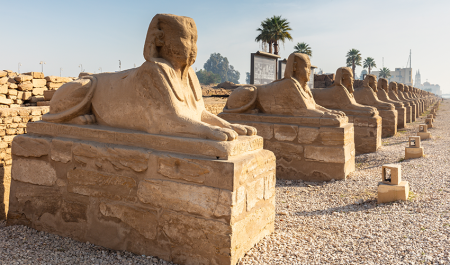
Karnak Temple

Luxor Temple
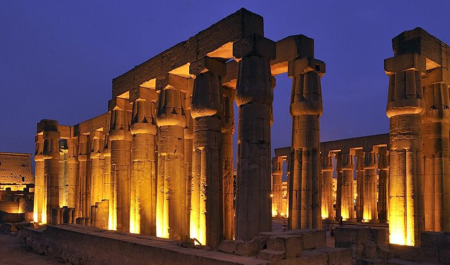
Karnak Sound & Light Show
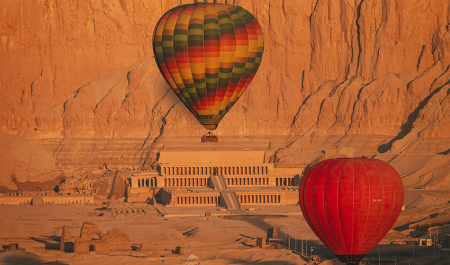
Hot Air Balloon Over Luxor West Bank

City Tour by Horse Carriage in Luxor
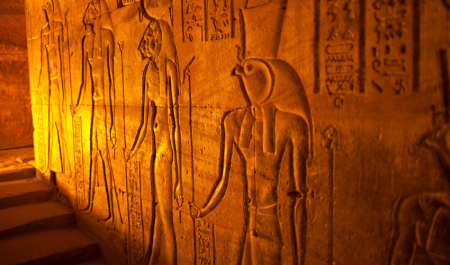
Edfu Sound & Light Show
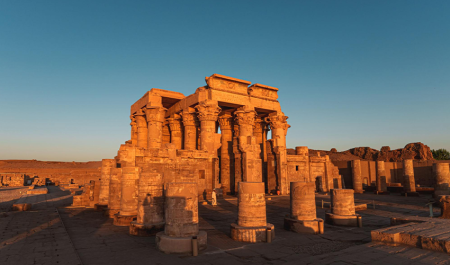
Kom Ombo Temple
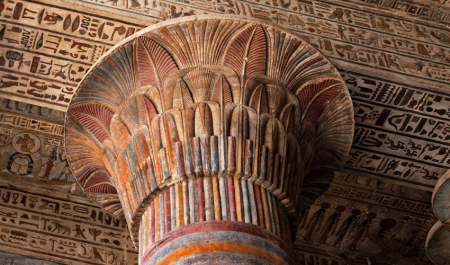
Khnum Temple in Esna
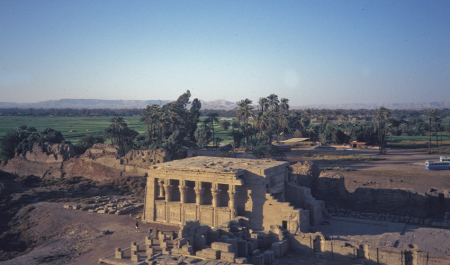
Dendera Temple
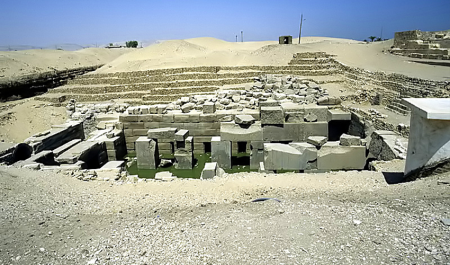
Abydos Temple

Philae Temple

Unfinished Obelisk (Aswan Northern Quarry)
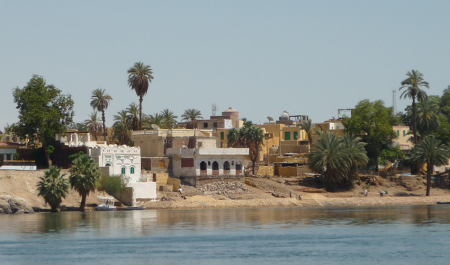
Elephantine Island
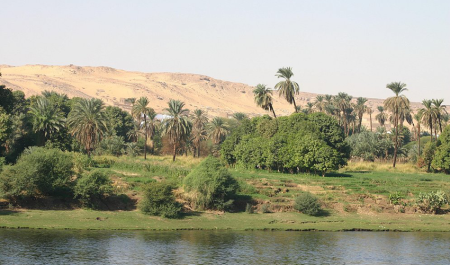
Kitchener’s Island (Aswan Botanical Garden)
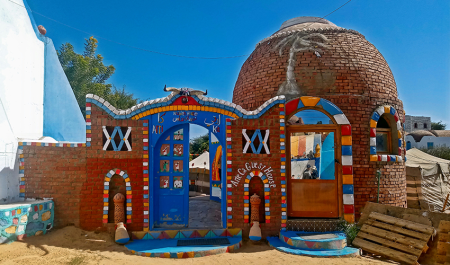
Nubian Village (Aswan)

Tombs of the Nobles (Aswan)

St. Simeon Monastery (Aswan)
Philae Sound & Light Show
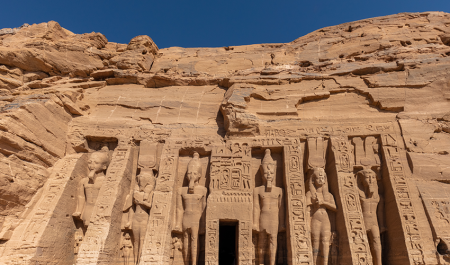
Abu Simbel Temples
Our Client Says!


.jpg)
Seamless Arrival & Support
Sarah M.
.jpg)
A Guide Who Brought Egypt to Life
Daniel K.
.jpg)
Private Transfers, Zero Stress
Lina A.
.jpg)
Planned Around Our Priorities
Michael R.
.jpg)
Great for Families & Flexible Pacing
Amina & Omar

FAQs
Send us your travel date, group size, and preferred pace, and we’ll recommend the best plan—day tours, multi-day itineraries, or a mix.
- Travel date + approximate trip length
- Group size (adults/children)
- Your pace (relaxed vs full schedule)
- Top interests (Pyramids, museums, Nile, desert, etc.)
- Optional Red Sea extension: dates, preferred coast (Hurghada vs Sharm vs quieter resorts), and whether you want relaxation, diving, or family beach time
Contact us and we’ll take it from there.
Our trips are designed around your exact expectations. To make sure every detail aligns with what you want, pricing is confirmed after a short discovery call/session.
Once we understand your dates, preferences, and priorities, we share the best-fit option and quote.
Yes—our experiences are built around private service, including privately escorted sightseeing and fully escorted transfers.
- Privately escorted sightseeing
- Fully and privately escorted transfers
- Latest air-conditioned vehicles
Inclusions depend on the itinerary, but our core approach focuses on comfort and expert support throughout the journey.
- Air-conditioned transfers
- Licensed Egyptologist guides
- VIP immigration service for international arrivals and departures (by prior arrangement)
- Exclusive access opportunities like pre- and post-hours visits (subject to permission and surcharges)
Visa rules can change, so check the latest requirements with the nearest Egyptian Embassy/Consulate before travel.
- E-Visa: apply online before travel (typically valid for 30 days)
- Visa on Arrival: available at major Egyptian airports (cash USD/EUR; typically valid for 30 days)
- Pre-purchased visa: available at major airports (some providers can arrange in advance)
Common requirements: passport valid for at least 6 months, and supporting travel details may be requested.
Egypt’s local currency is the Egyptian Pound (£E). Local currency is useful for tipping and small purchases, while major cards are widely accepted in many places.
- Currency: Egyptian Pound (£E)
- Cash: helpful for tips and small buys
- Cards: Visa and MasterCard are widely accepted; American Express is accepted at leading hotels
Yes. Kaya Escapes is built on respect for the environment and the communities we visit, guided by sustainability and community cooperation.
- Straw to Paper: a community initiative involving special needs individuals, orphans, and widows working together
- Nile River Rescue: a community effort to collect and recycle plastic waste along the Nile to reduce pollution


